Thailand continues to grow at a rapid pace. Cities expand, and new buildings rise every day. This growth brings a massive demand for safe, reliable power systems. Building a new home or upgrading an office requires careful planning. A properly designed electrical system forms the foundation of any safe property. Every building needs a custom approach to handle daily electricity demands without failure.
Poor wiring can lead to severe safety risks. Many property owners try to cut costs during construction, which often results in expensive repairs later. Working with experienced local electrical contractors ensures that your system meets the highest safety standards. These professionals understand the specific building codes required across different Thai provinces.
This post explains why proper electrical planning matters. You will learn about the main differences between residential and commercial power setups. We will also explore how local weather conditions affect electrical choices.
Managing Residential Power Needs
Homes in Thailand use a significant amount of electricity. Air conditioning units run constantly during the hot season, placing a heavy load on the system. A well-planned residential design accounts for this high usage. Designers calculate the exact power requirements for every room to prevent overloaded circuits and tripped breakers.
Families rely on multiple appliances running at the same time. Electric vehicle charging stations are also appearing in many new home builds. Designers must factor in these modern additions to keep the main power board stable.
Smart home technology is becoming very popular across the country. Modern designs incorporate proper wiring for automated lighting, security cameras, and smart appliances. Planning these systems early prevents the need to tear down walls later. Safe grounding systems protect these expensive electronics from power surges during tropical storms.
Powering Commercial Spaces
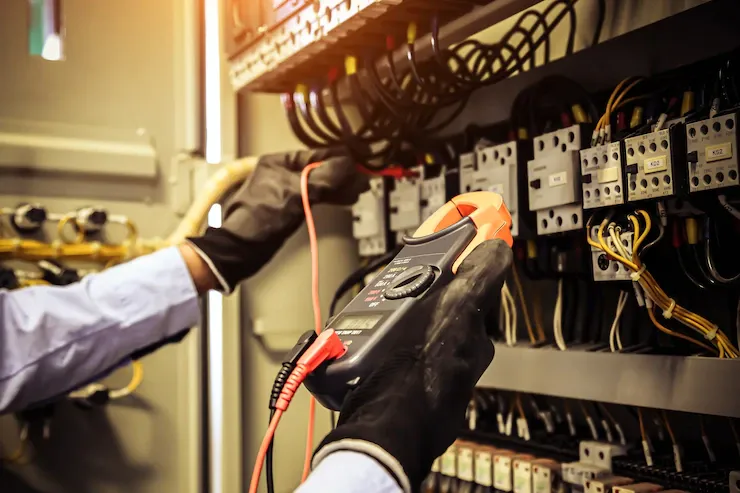
Commercial properties demand completely different electrical solutions. Shopping centres, restaurants, and office buildings require massive amounts of energy. The electrical design must support heavy machinery, large-scale cooling systems, and bright displays. Engineers design complex distribution boards to route power efficiently throughout the building.
They also incorporate backup generators to keep businesses running during unexpected power cuts. This planning ensures continuous operation, preventing lost revenue during outages.
Designing for Tropical Weather
Thailand’s climate creates unique challenges for electrical installations. High humidity and heavy monsoon rains can quickly degrade poor-quality materials. Expert designers choose moisture-resistant cables and waterproof enclosures for outdoor installations.
They ensure proper ventilation around electrical panels to prevent overheating during the hottest months. Using the right materials prevents short circuits and long-term fire hazards. Energy efficiency also plays a vital role in commercial spaces. Proper lighting design reduces electricity bills while creating a comfortable environment for workers and customers.
Conclusion
Safe electricity requires expert planning. Every building needs a system designed specifically for its unique power demands and location. Investing in professional design early saves money and prevents dangerous accidents.
Taking shortcuts with power systems always leads to trouble. A well-designed electrical network adds immense value to any property. It provides peace of mind for families and reliable infrastructure for businesses. Always prioritise safety when building or renovating in Thailand. Consult with qualified engineers before starting your next construction project to ensure long-term reliability.