Owning a pool in Sydney comes with clear legal duties. Every property with a swimming pool or spa must meet strict safety standards set by state law. Pool compliance protects children, satisfies council requirements, and keeps you clear of fines. Getting it right takes some planning, but the steps are straightforward once you know what to check.
Start with the basics. In New South Wales, every pool capable of holding more than 300mm of water must have a compliant safety barrier. This includes portable and inflatable pools. Your fence must be at least 1.2 metres high, with gaps no wider than 100mm at the base. Pool compliance also depends on gates that swing outward, self-close from any position, and latch automatically. Test these mechanisms regularly, because worn hinges and springs are a common reason inspections fail.
The NSW Swimming Pool Register sits at the centre of pool compliance for Sydney owners. You must register your pool online through the Swimming Pool Register. Registration is free and legally required. If you plan to sell or lease your property, you need a valid Certificate of Compliance or a Certificate of Non-Compliance attached to the contract. Without one, a sale or lease agreement can stall.
Check the area around your barrier carefully. Climbable objects create a serious hazard and a quick fail point during inspection. Keep a clear non-climbable zone of 900mm on the outside of the fence. Move pot plants, barbecues, pool pumps, furniture, and trees that could help a child scale the barrier. Trim branches that hang over the fence line, and make sure nearby retaining walls or garden beds do not reduce the effective height of your barrier.
Resuscitation signage is another requirement that owners often overlook. A current CPR sign must be displayed near the pool, clearly visible and legible. The information on these signs changes periodically, so replace outdated versions. Check that your sign reflects the latest guidelines from the Australian Resuscitation Council.
Doors and windows that open onto the pool area need attention too. For properties built before certain dates, specific rules apply to how a dwelling connects to the pool. If a door provides direct access to the pool zone, it may need to be fitted with a compliant barrier or self-closing device. Rules vary based on when your pool was installed, so confirm which standard applies to your property.
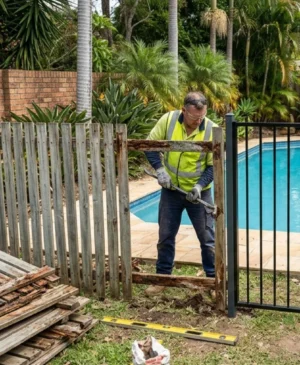
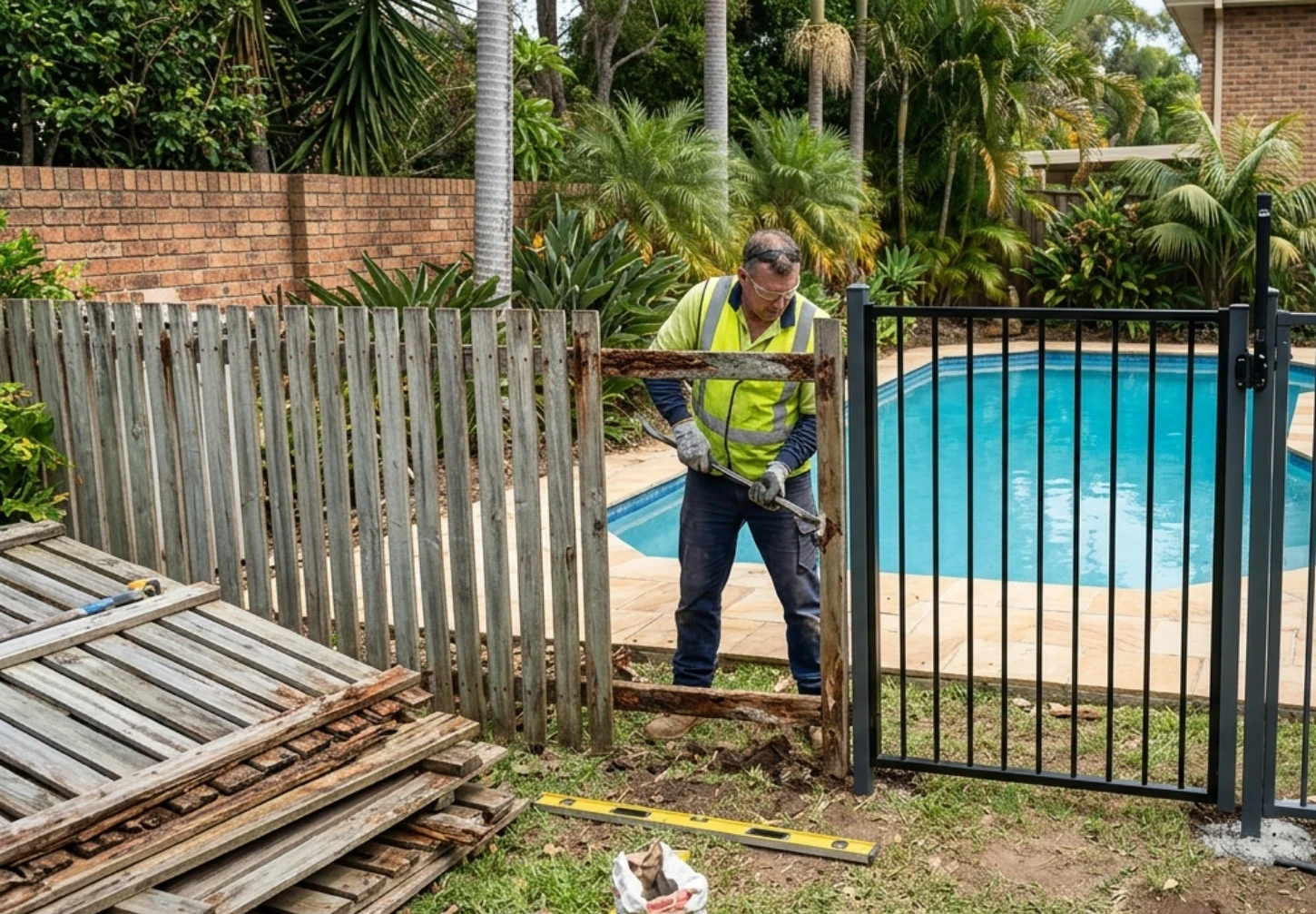
Arrange an inspection well before you need a certificate. You can use your local council or an accredited private certifier. Both can issue a Certificate of Compliance once your pool meets the standard. Booking early gives you time to fix any faults, such as a sagging gate or a gap under the fence, without rushing.
Maintain your barrier year round, not only before an inspection. Salt air, sun, and heavy use wear down fittings over time. A quick monthly check of gates, latches, and fence integrity keeps your pool safe and ready.
Treat pool safety as an ongoing responsibility. Regular checks protect your household, meet your legal duties, and give you peace of mind every summer.