
When it comes to roofing, the choice between flat roofs and hiring the right contractor is a decision that can significantly affect the durability, aesthetic appeal, and overall performance of your roof. A flat roof offers distinct advantages, but these benefits come with their own set of challenges that require expertise and experience to manage. In contrast, the contractor you hire plays an essential role in ensuring your roof is installed and maintained correctly. This raises the critical question: what works best for roofing—choosing a flat roof or selecting the right contractor?
To make the most informed decision, we must explore the benefits and drawbacks of flat roofs, the crucial role contractors play, and how the two elements come together to create a roof system that performs well for years. Whether you’re building a new property or replacing an existing roof, understanding the relationship between flat roofs and skilled contractors is essential for a successful roofing project.
The Appeal of Flat Roofs
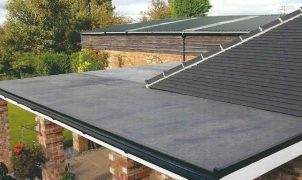
Flat roofs have been gaining popularity due to their modern, minimalist appearance, particularly in commercial and contemporary residential buildings. They offer a sleek, clean design that provides functional and aesthetic appeal. However, the term “flat” can be misleading—these roofs are not entirely level but are slightly pitched to allow for water drainage.
Pros of Flat Roofs:
-
Cost-Effective Installation: Flat roofs tend to be less expensive to install than traditional sloped roofs. This is due to the simplicity of their design, which requires fewer materials and less labor. The reduced complexity of flat roofs makes them an attractive option for those on a budget or with large commercial buildings.
-
Maximized Usable Space: Flat roofs offer additional space that can be used for a rooftop garden, solar panels, or even a small patio. This makes them especially desirable in urban settings, where maximizing available space is essential.
-
Easier Access for Maintenance: The horizontal nature of flat roofs provides easy access for routine inspections and repairs. Without steep slopes, roofers can navigate the roof more easily, reducing the risk of accidents and facilitating faster, more efficient maintenance.
-
Energy Efficiency: Modern flat roofing systems, such as TPO (Thermoplastic Olefin) and EPDM (Ethylene Propylene Diene Monomer), are energy-efficient and offer superior insulation properties, keeping buildings cooler in the summer and warmer in the winter.
-
Sleek, Modern Appearance: Flat roofs align with contemporary architectural trends, offering a sleek and minimalist appearance that works well with modern designs. This aesthetic quality makes flat roofs a popular choice for cutting-edge architectural projects.
Cons of Flat Roofs:
-
Water Drainage Issues: While flat roofs are slightly pitched, they still require a robust drainage system to prevent water from pooling. Water accumulation can lead to leaks, mold growth, and potential structural damage. Without proper drainage, flat roofs can become problematic over time.
-
Potential for Shorter Lifespan: Compared to sloped roofs, flat roofs can have a shorter lifespan if not maintained properly. Exposure to the elements, UV rays, and standing water can degrade roofing materials more quickly. Without the right materials and maintenance, flat roofs may need replacement sooner than their pitched counterparts.
-
Vulnerability to Temperature Fluctuations: Flat roofs are more susceptible to temperature changes, which can cause roofing materials to expand and contract. This natural process can lead to cracks and splits in the roofing membrane, especially if the materials used are not of the highest quality.
The Importance of a Skilled Roofing Contractor
While the design of the roof plays a vital role in its performance, the contractor you hire is equally critical in ensuring the success of your roofing project. A skilled roofing contractor is not only responsible for installing the roof correctly but also for understanding the nuances of flat roof systems, choosing the right materials, and providing maintenance services that prolong the lifespan of the roof.
Pros of Hiring a Qualified Roofing Contractor:
-
Expert Installation: A professional contractor has the knowledge and experience needed to ensure that your flat roof is installed correctly. They understand how to choose the right materials for your climate, how to manage drainage systems effectively, and how to prevent common problems associated with flat roofs, such as pooling water or poor insulation.
-
Quality Materials and Warranties: An experienced contractor will know which roofing materials are best suited to your needs and will ensure that the materials used are of high quality. Many contractors also offer warranties for both their work and the materials used, providing you with added peace of mind.
-
Long-Term Maintenance: Roofing is not a one-time task; it requires ongoing maintenance to keep it in optimal condition. A skilled contractor will offer maintenance packages, inspections, and repair services to help ensure your roof remains functional and durable over time. This proactive approach helps prevent costly repairs and extends the lifespan of your flat roof.
-
Knowledge of Local Codes and Regulations: Different regions have different building codes and regulations, especially when it comes to flat roofing systems. A professional roofing contractor is familiar with local building codes, ensuring that your roof meets all legal and safety requirements. This reduces the risk of legal issues or problems with insurance claims down the line.
-
Insurance and Safety: A reputable contractor carries proper insurance and follows strict safety protocols during installation. This protects you as the property owner from liability in case of accidents or injuries during the roofing process.
Cons of Hiring an Inexperienced Contractor:
-
Poor Installation: If you hire an inexperienced or unlicensed contractor, you may run into problems with your flat roof. Issues such as improper installation of the roofing membrane, inadequate drainage, or poor sealing of roof penetrations can lead to leaks, water damage, and premature roof failure.
-
Higher Long-Term Costs: While hiring a cheap contractor may seem like a good way to save money initially, it could end up costing you more in the long run. Poor installation or subpar materials may result in frequent repairs, leading to a greater overall investment over time.
-
Unreliable Maintenance: Not all contractors provide comprehensive maintenance services. Without the right care, your flat roof may degrade more quickly, reducing its lifespan and leading to higher repair costs.
Flat Roofs and Contractors: The Perfect Combination
When it comes to roofing, a flat roof can provide numerous benefits, but it’s essential to recognize that the installation, maintenance, and repair of a flat roof require expertise. Choosing the right contractor is the key to maximizing the performance and longevity of your flat roof. Without a qualified contractor, even the best roofing materials and designs can fall short.
In fact, the success of a flat roof often depends on the contractor’s ability to install a high-quality waterproof membrane, ensure proper drainage, and understand the specific requirements of flat roofing systems. The best contractors will also advise on the appropriate materials for your climate, provide warranty options, and offer maintenance services to keep your roof in optimal condition.
Conclusion
Choosing between flat roofs and roofing contractors is not an either-or situation; they go hand in hand. A well-designed flat roof, when paired with the expertise of an experienced contractor, can provide a long-lasting, energy-efficient, and visually appealing roofing solution. However, a poorly installed flat roof—regardless of the materials used—can quickly become a costly problem.
Thus, the most effective roofing solution lies in balancing both elements. Ensure your flat roof is designed and installed by professionals who understand the nuances of flat roof systems, and maintain it properly to prevent future issues. By doing so, you’ll not only protect your property but also enhance its functionality and aesthetic value for years to come.