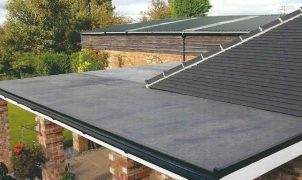

Flat roofs are a staple of modern architecture, frequently seen on both residential and commercial buildings due to their sleek aesthetic and efficient use of space. However, while the design of a flat roof may seem simple, ensuring that it performs effectively over time requires a thoughtful and strategic approach to its installation and maintenance. Many homeowners and property managers may unknowingly overlook key components that are essential for the long-term health of a flat roof. In this article, we’ll explore some critical flat roof essentials that may be missing from your roofing system—elements that can prevent major issues down the road, safeguard your investment, and ensure your roof continues to deliver reliable protection year after year.
Quality Flat Roofing Services are essential for maintaining a strong, weather-resistant roof that offers lasting protection. Whether for new construction or existing properties, professional roofing experts deliver efficient workmanship designed to improve durability and performance.
1. Proper Drainage System
One of the most crucial essentials for any flat roof is a well-designed drainage system. Unlike sloped roofs, flat roofs don’t naturally encourage water runoff, making drainage a top priority. Water pooling on a flat roof can lead to numerous problems, including leaks, mold growth, and even structural damage over time.
A common mistake many property owners make is neglecting proper drainage during roof installation. Standing water, even in relatively small amounts, can gradually break down roofing materials, leading to premature wear. To prevent this, ensure that your flat roof has sufficient drains, scuppers (roofside openings), and gutters designed to channel water away from the roof. Regular cleaning and inspection of your drainage system are also essential to avoid clogging by debris, leaves, or dirt.
If your flat roof is suffering from water pooling, it might be time to consider reconfiguring your drainage system or adding additional outlets. The goal is to keep water flowing freely, directing it away from the roof’s surface before it can cause damage.
2. Quality Waterproof Membrane
The waterproof membrane is the most critical layer of any flat roof. It serves as the barrier between the elements and the building structure, preventing water from seeping into the interior of the home or commercial property. However, not all membranes are created equal.
EPDM (Ethylene Propylene Diene Monomer), TPO (Thermoplastic Olefin), and PVC (Polyvinyl Chloride) are among the most common membrane materials for flat roofs. Each of these materials has its own strengths—EPDM is known for its durability and UV resistance, TPO for its energy efficiency, and PVC for its high-performance waterproofing capabilities.
When installing or maintaining a flat roof, it’s essential to choose a high-quality membrane that matches the specific climate and environmental factors of your location. Additionally, pay close attention to proper installation. A poorly installed membrane can lead to seams, bubbles, or punctures that compromise the roof’s ability to repel water effectively.
3. Effective Insulation
Many people focus primarily on the waterproofing aspects of a flat roof and neglect the importance of insulation. Inadequate or poor-quality insulation can cause a variety of problems. It can increase your heating and cooling costs, contribute to condensation, and even damage the structural integrity of the building due to trapped moisture.
The key to effective insulation on a flat roof lies in choosing the right materials and ensuring proper installation. Common insulation materials include fiberglass, foam board, and spray foam, each of which has varying R-values (insulation effectiveness). In cold climates, it’s essential to have proper insulation to prevent heat loss, while in warmer areas, reflective insulation can help reduce heat buildup in the building.
Moreover, moisture control is a critical factor. Without proper ventilation and insulation, moisture can become trapped within the roof system, creating an environment conducive to mold growth and material degradation. Ensuring a well-insulated flat roof system will not only make your home more comfortable but also extend the lifespan of your roof and the building structure.
4. Roof Slope (or Lack Thereof)
While flat roofs are, by definition, almost level, they still require a slight slope to encourage water drainage. A perfectly flat roof will lead to water pooling, which can result in significant issues over time, including leaks and material breakdown. Roofing experts generally recommend a slope of at least 1/4 inch per foot to allow water to flow off the roof and into the drainage system.
If your roof was originally installed without adequate slope or has developed issues like sagging over time, you may need to re-slope the roof to restore proper water flow. This can involve removing portions of the roofing material and adding new layers or adjusting the slope to meet the minimum required specifications. A roof with improper slope will not only face drainage issues but may also be prone to premature wear, resulting in costly repairs in the long term.
5. Seam and Penetration Seals
Flat roofs often contain several penetrations, such as vents, chimneys, skylights, and HVAC units. These areas are notorious for developing leaks if not properly sealed. Roof penetrations represent weak spots where water can enter if the seals deteriorate or become damaged over time.
During installation and maintenance, it’s vital to use high-quality sealants or flashing to ensure that all penetrations are properly sealed. Regular inspection of these areas will help identify any damage or wear to the seals before they lead to leaks. Small cracks or gaps can quickly expand, leading to significant water damage inside the property.
Flashing around these penetrations plays an important role as well. It helps divert water away from vulnerable spots, ensuring that water cannot seep through joints or seams. Whether your roof has vents or skylights, ensure these areas are adequately flashed and sealed to prevent water ingress.
6. Roof Coatings for UV Protection
Flat roofs are particularly susceptible to the harmful effects of ultraviolet (UV) rays from the sun. Over time, UV exposure can cause the roofing material to degrade, leading to cracks, blisters, and leaks. To prolong the life of your flat roof, consider applying a protective UV-reflective coating.
Reflective coatings, such as elastomeric coatings or acrylic coatings, not only protect the roof from UV damage but also improve the energy efficiency of your building. By reflecting sunlight, these coatings can help reduce cooling costs by keeping the roof—and by extension, the interior of the building—cooler during hot weather. A fresh coating every few years will maintain the protective barrier against UV rays and keep your roof looking and performing like new.
7. Ventilation System
Adequate ventilation is a crucial aspect of maintaining a healthy flat roof system. Without proper ventilation, moisture can accumulate in the attic or beneath the roof, creating the perfect conditions for mold and mildew growth. Poor ventilation can also lead to trapped heat, which can weaken roofing materials over time.
Roof ventilation typically involves installing vents at both the high and low points of the roof to allow air to circulate freely and prevent the buildup of moisture. A balanced ventilation system can help regulate temperature and humidity levels inside the attic, reducing the risk of condensation, mold, and structural damage.
8. Roof Maintenance Program
Finally, one of the most important essentials for a flat roof is a comprehensive roof maintenance program. Regular maintenance helps identify small problems before they develop into costly repairs and ensures that all components—drainage, waterproofing, insulation, and seals—are performing as they should.
A well-maintained flat roof will be more durable, energy-efficient, and resistant to weathering. Scheduling professional inspections at least once a year and after severe weather events will help ensure that your roof remains in good condition. Be sure to hire experienced roofing contractors who are familiar with flat roof systems and can provide the necessary repairs and preventive maintenance to extend the life of your roof.
Conclusion
Flat roofs are an excellent option for many properties, offering sleek lines and the potential for additional usable space. However, without the proper essential components, a flat roof can become a source of significant issues. From ensuring proper drainage and insulation to using high-quality materials and coatings, each element plays an important role in maintaining the roof’s functionality and longevity. By addressing these flat roof essentials, you can avoid costly repairs, extend the lifespan of your roof, and ensure your building remains safe, secure, and comfortable for years to come.