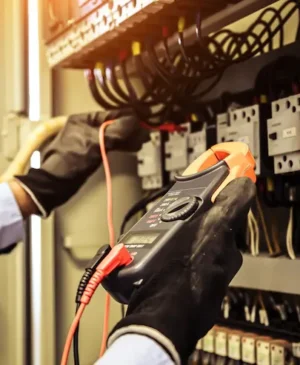

Plumbing is a skilled trade that blends technical knowledge with hands-on problem-solving. From installing water systems in new buildings to repairing complex pipe networks, plumbers play a vital role in public health, safety, and everyday comfort. Becoming a professional plumber requires structured training, practical experience, and a strong set of technical and soft skills.
Understanding the Role of a Plumber
A plumber is responsible for installing, maintaining, and repairing systems that carry water, gas, and waste. The work spans residential, commercial, and industrial environments, each with its own challenges and standards.
Common responsibilities include:
-
Reading and interpreting blueprints and technical drawings
-
Installing pipes, fixtures, valves, and drainage systems
-
Diagnosing leaks, blockages, and pressure issues
-
Ensuring systems comply with safety and building regulations
Educational Foundations
While plumbing is a trade, a solid educational base makes training easier and more effective.
High School Preparation
Most plumbers start with a high school diploma or equivalent. Subjects that are especially helpful include:
-
Mathematics for measurements and calculations
-
Physics to understand water pressure and flow
-
Technical drawing for reading plans and layouts
Some schools also offer vocational or technical courses that introduce basic plumbing concepts early.
Apprenticeship Training
An apprenticeship is the cornerstone of plumbing education. It combines classroom instruction with paid, on-the-job training under the supervision of experienced professionals.
What an Apprenticeship Involves
-
Typically lasts 3–5 years
-
Includes thousands of hours of hands-on work
-
Covers topics such as pipe fitting, safety standards, and local codes
During this phase, apprentices learn how theory applies to real-world situations, gradually taking on more responsibility as their skills grow.
Technical Skills Every Plumber Needs
Strong technical ability is essential for success in plumbing.
Key technical skills include:
-
Pipe installation and repair using materials like copper, PVC, and steel
-
Blueprint reading to follow building plans accurately
-
Tool proficiency with wrenches, pipe cutters, augers, and inspection equipment
-
System testing to check for leaks, pressure balance, and efficiency
Accuracy and attention to detail are critical, as small errors can lead to costly damage.
Essential Soft Skills
Beyond technical know-how, plumbers rely heavily on interpersonal and cognitive skills.
Important soft skills include:
-
Problem-solving to diagnose hidden or complex issues
-
Communication for explaining problems and solutions to clients
-
Time management to handle multiple jobs efficiently
-
Physical stamina for lifting, bending, and working in confined spaces
Professionalism and reliability often determine long-term success and reputation in the field.
Licensing and Certification Requirements
Most regions require plumbers to be licensed before working independently. Licensing ensures that plumbers meet safety and competency standards.
Typical licensing steps involve:
-
Completing an approved apprenticeship or training program
-
Passing a written exam on plumbing codes and practices
-
Renewing licenses periodically through continuing education
Some plumbers also pursue additional certifications to specialize in areas like gas fitting or advanced system installation.
Continuing Education and Career Advancement
Plumbing is not a static profession. New materials, tools, and environmental standards continually reshape the industry.
Ways plumbers advance their careers include:
-
Taking advanced training courses
-
Specializing in commercial or industrial plumbing
-
Moving into supervisory, inspection, or business ownership roles
Ongoing learning keeps skills sharp and opens doors to higher earnings and leadership positions.
Frequently Asked Questions (FAQs)
1. How long does it usually take to become a fully qualified plumber?
It generally takes between four and six years, including education, apprenticeship, and licensing.
2. Is plumbing a physically demanding career?
Yes, the job often requires lifting heavy materials, working in tight spaces, and standing for long periods.
3. Can plumbing skills be transferred internationally?
Core skills are transferable, but licensing and codes vary by region and country.
4. Do plumbers need strong math skills?
Basic to intermediate math skills are important for measurements, angles, and system calculations.
5. Is plumbing a stable career choice?
Plumbing is considered a stable trade because demand remains consistent across residential and commercial sectors.
6. Are there opportunities for self-employment in plumbing?
Yes, many experienced plumbers start their own businesses after gaining sufficient training and licensing.
7. What personal qualities make someone successful in plumbing?
Patience, attention to detail, reliability, and a willingness to keep learning are key traits for long-term success.